Safeguarding Homes and Businesses from Termite Infestations in Toronto ON
Professional Termite Control Methods: Defend Your Home From Devastating Pests
Strategic termite prevention is vital for defending homes from these harmful pests. Homeowners frequently underestimate the damage termites can cause if left unchecked. Multiple prevention and treatment strategies exist, but understanding their indicators and types is essential. This knowledge creates the basis for effective management. What methods can be employed to guarantee durable protection? The answers might surprise you and could save your property from considerable harm.
Recognizing the Signs of Termite Infestation
How does one spot a termite infestation before it causes extensive damage? Spotting early signs is important for effective intervention. Homeowners should check for mud tubes, which are pencil-sized, narrow tunnels created with soil and wood particles, often observed on walls or foundations. Another indicator is the presence of discarded wings, usually found near windows or doors, as termites swarm during specific seasons. In addition, hollow-sounding wood when tapped can signal internal damage. Observing small holes in wood surfaces is another red flag, showing tunneling activity. Furthermore, a sudden increase in noise, such as faint clicking sounds, may indicate termites are actively feeding. By being alert and attentive of these signs, homeowners can take preventive steps to prevent substantial damage, guaranteeing their properties remain safe from these destructive pests.
Which Types of Termites Pose a Risk to Your Home?
Comprehending the varieties of termites that can endanger a home is vital for successful prevention. Subterranean termites, recognized for their devastating underground colonies, create a substantial risk due to their ability to access foundations. In contrast, drywood termites are known for infesting wooden structures directly, often requiring different control methods.
Underground Termites Overview
Subterranean termites pose a significant threat to homes, as they flourish in earth and frequently infiltrate buildings undetected. These pests are communal creatures that dwell in organized groups, typically found below ground level. They are notorious for their harmful eating behaviors, primarily eating wood and similar organic materials. Subterranean termites depend on dampness for survival, which makes wet zones surrounding structural foundations highly prone to invasion. Their presence can stay concealed for considerable timeframes, leading to considerable building harm before owners recognize the infestation. The most common species include the eastern subterranean termite and the western subterranean termite, both of which can create widespread damage if not quickly treated. Proper inspection and protective measures are crucial in defending properties against this harmful species.
Key Traits of Drywood Termites
While below-ground termites are frequently the most mentioned, drywood termites also pose a significant threat to homes, especially in hotter climates. These pests live in and feed on the wood within structures, demanding no contact with the soil. Drywood termites are typically recognized by their pale brown to yellow bodies and their capacity to create small holes in wood, which function as exit points for their frass, or droppings. Different from their subterranean counterparts, drywood termites form colonies in the wood they feed on, making detection hard until significant damage occurs. They flourish in dry environments and commonly infest wood that has not been treated. Homeowners should stay vigilant for signs of infestation to safeguard their property from these harmful pests.
Key Tactics for Termite Control
How might homeowners effectively safeguard their properties against the constant threat of termites? Putting in place preventive measures is vital in minimizing the risk of infestation. First, maintaining proper drainage around the home is critical, as standing water can attract termites. Homeowners should also make certain that gutters and downspouts direct water away from the foundation.
Another effective technique is to position woodpiles, debris, and mulch at least 15 inches from the home's foundation, decreasing the chances of termites accessing the structure. Regularly inspecting the home for signs of termite activity, such as mud tubes or damaged wood, can help spot potential issues promptly.
Closing any fissures or crevices in the foundation and walls further guards against entry points. Lastly, homeowners may consider using physical barriers, such as metal mesh or sand barriers, during construction to prevent termite invasion effectively. By utilizing these strategies, homeowners can create a strong defense against termites.
Powerful Chemical Applications for Termite Elimination
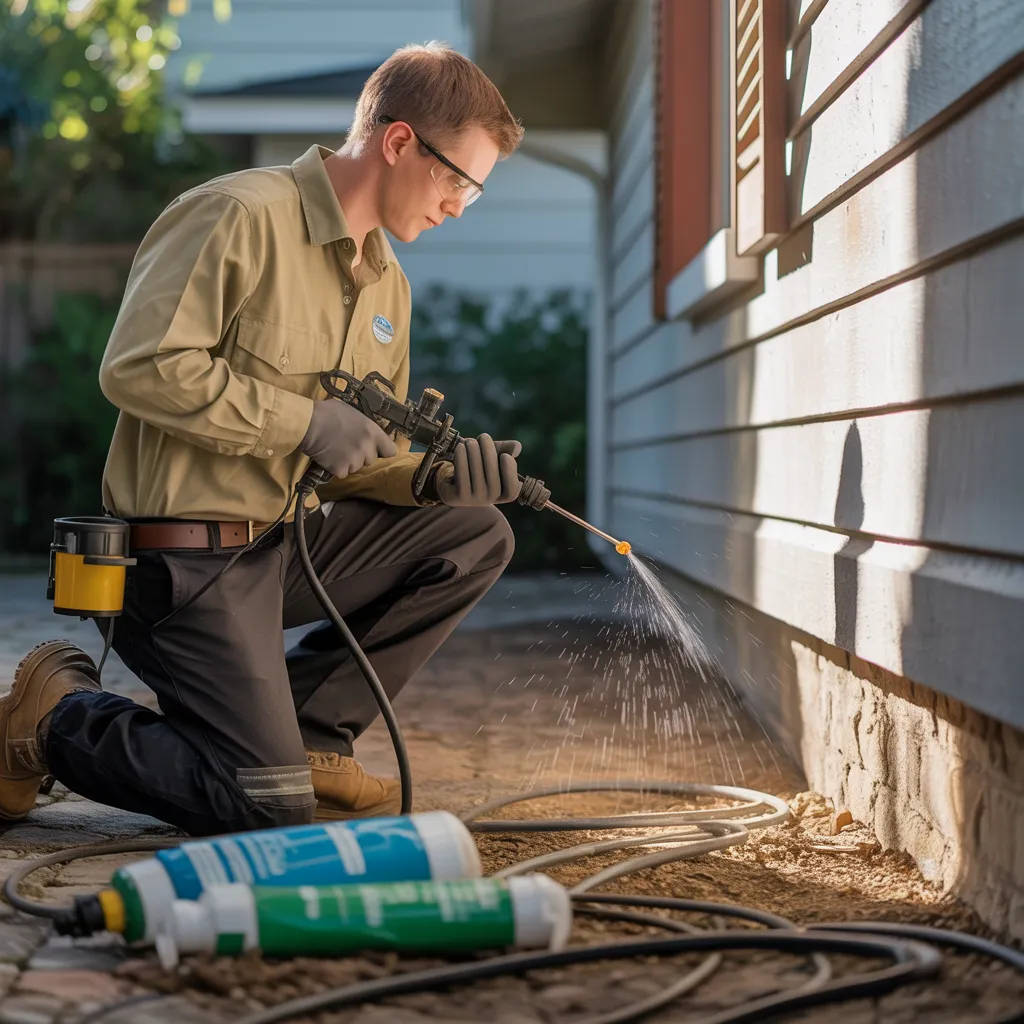
Chemical treatment methods for termite control comprise various types and application methods that are vital for effective pest management. Understanding these treatments, along with the necessary safety precautions, ensures both efficacy and protection during use. This section will examine the options available and the best practices for their implementation.
Categories of Chemical Treatments
Multiple chemical treatments are accessible for successful termite control, each created to combat specific infestations and avoid future damage. Liquid termiticides, frequently used for subterranean termites, create a shield in the soil that stops these pests from entering structures. Baiting systems, another proven option, attract termites to a slow-acting insecticide, which they then carry back to their colony. This method successfully eliminates the entire colony over time. Moreover, foaming agents can be applied to hard-to-reach areas, expanding to fill voids and providing thorough coverage. Other treatments include borate-based products, which can be applied to wood surfaces for extended protection. Each treatment option ranges in effectiveness based on the type of termite and the unique circumstances of the infestation.
Application Procedures Detailed
Comprehending the application approaches for termite control is vital for achieving successful results. Chemical treatments can be administered through multiple methods, each suited to specific situations. Liquid treatments involve applying termiticides directly to the soil, creating a barrier that stops termites from entering the structure. This method is commonly used during initial construction or when treating existing homes. Baiting systems, on the other hand, use strategically placed bait stations that attract termites. Once consumed, the toxic bait spreads throughout the colony, efficiently reducing the population. Another method includes foam treatments, which can be applied into wall voids and other inaccessible areas. Each of these application techniques requires meticulous consideration and expertise to secure proper execution and maximum effectiveness against termites.
Key Safety Precautions
When employing effective chemical treatments for termite control, safety precautions need to be a top priority. Adequate protective gear, such as gloves, masks, and goggles, should be worn during application to limit exposure to harmful chemicals. It is vital to follow the manufacturer's instructions carefully, guaranteeing that the treatment is applied in recommended amounts and at appropriate intervals. Homeowners should also verify that pets and children are kept away from treated areas until it is safe to return. In addition, adequate ventilation is required to disperse any fumes. Finally, residents should consider consulting with licensed pest control professionals, as they possess the expertise to safely handle and apply chemical treatments, thereby reducing risks associated with improper use.
Investigating Non-Chemical Termite Treatment Methods
Even though chemical treatments are frequently the first choice for termite infestations, several homeowners look for non-chemical alternatives that are equally environmentally friendly and effective. One widely-used method is the use of nematodes, microscopic worms that inherently target and kill termites. Adding these beneficial organisms into the soil can substantially decrease termite populations without toxic chemicals. Another option is the installation of bait stations that utilize natural substances to lake maintenance draw in and remove termites over time.
Physical deterrents, including steel mesh and sand barriers, may also act as preventive safeguards, preventing termites from accessing structures. Moreover, moisture control is essential; minimizing humidity and repairing leaks can make an environment less favorable to termites. Homeowners may also consider utilizing borate-treated wood, which delivers a long-lasting barrier against infestations. These non-chemical approaches offer effective ways to safeguard homes while minimizing environmental impact.
When to Call Qualified Pest Control for Termites?
Homeowners commonly consider various non-chemical termite control methods before choosing to pursue professional assistance. However, specific situations necessitate the expertise of pest control professionals. If a homeowner detects signs of a substantial termite infestation—such as mud tubes, hollow-sounding wood, or discarded wings—immediate action is essential. Furthermore, if non-chemical approaches fail to produce outcomes within a reasonable timeframe, it is advisable to consult an expert. Professional pest control services possess sophisticated tools and experience to assess the extent of the damage and implement effective solutions. Additionally, if a residence resides in an at-risk area for termite activity, routine inspections and treatments by professionals can be beneficial. Homeowners should also consider recruiting professionals when planning renovations, as termites could remain unnoticed during the process. Ultimately, timely intervention by pest control experts can help minimize extensive damage and safeguard the structural soundness of the home.
Maintaining Extended Termite Protection for Your House
To ensure long-term termite protection for a home, protective steps must be put into place consistently. Homeowners should conduct regular inspections, ideally twice a year, to spot any evidence of termite activity early. Ensuring the property well-maintained is crucial; this includes sealing gaps and spaces in the foundation and guaranteeing that wood remains moisture-free and free of moisture.
Moreover, keeping a separation between soil and wooden structures can deter termite access. Implementing barriers, such as physical or chemical treatments, is also advised to ward off infestations. Homeowners should consider organizing professional pest control services for thorough assessments and treatments, especially in susceptible areas.
Informing family members about the significance of termite prevention and encouraging vigilance can significantly contribute to long-term protection. By incorporating these practices into routine home maintenance, homeowners can secure their properties against the destructive potential of termites effectively.
FAQ
How Can I Tell if Termites Are in My Walls?
Evidence of termites in walls include wood that sounds hollow when tapped wood, minute perforations, frass (wooden pellets), and blistering paint. Furthermore, mud tubes may appear along wall surfaces, suggesting their active presence within the property. Vigilance is essential.
Can Termites Infest Furniture or Carpets?
Indeed, termites can occupy furniture and carpets, particularly if these items are made with wood or cellulose substances. They may result in damage over time, rendering it crucial for homeowners to inspect and evaluate such areas frequently.
What Is a Termite Queen's Lifespan?
The termite queen's lifespan ranges from 25 to 50 years, determined by the species and environmental conditions. Her long life substantially aids the colony's growth, providing a steady production of new termites throughout her existence.
Are Certain Wood Varieties More Attractive to Termites?
Termites are indeed attracted to certain types of wood, most notably softwoods such as pine, cedar, and fir. They prefer wood that is wet or rotting, as it is easier for them to break down and inhabit.
Can Termites Only Infest Homes in Warmer Climates?
Homes in both warm and cooler climates are susceptible to termite infestations. Despite warmer zones potentially having more activity, some species adjust to different environments, making vigilance important for homeowners regardless of geographic location.